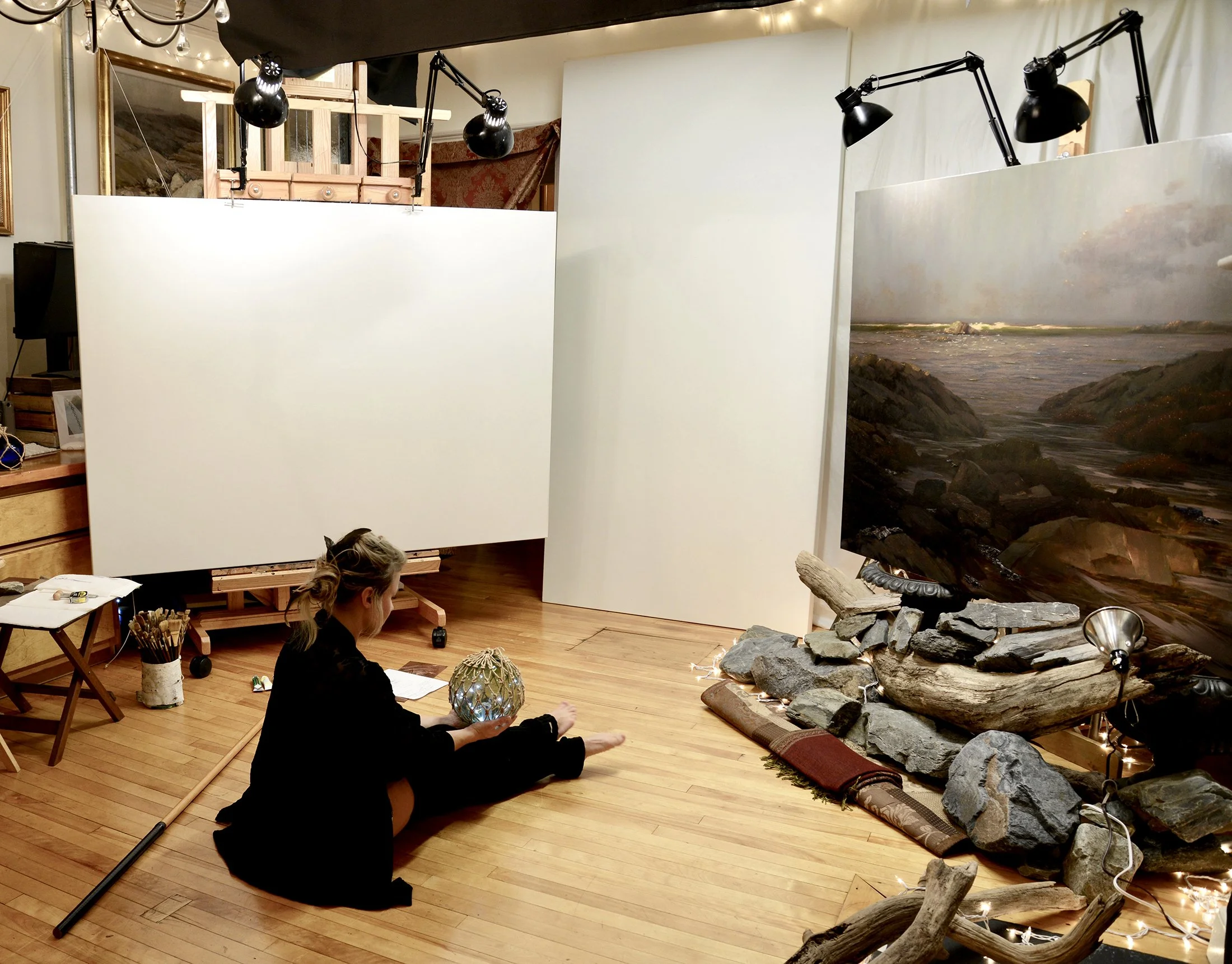
Before a painting begins, there is always a moment of listening.
ABOUT
My work has never really been about making pictures. It has always been about learning to see.
Whether studying physics, walking along the coast before sunrise, sitting quietly in my studio, or painting from life, I have always been fascinated by the invisible relationships that connect things—light, movement, atmosphere, memory, and the quiet moments that often pass unnoticed.
Painting has become my way of exploring those relationships.
THE STORY
HOW I ARRIVED HERE
Long before I painted professionally, I studied mechanical engineering.
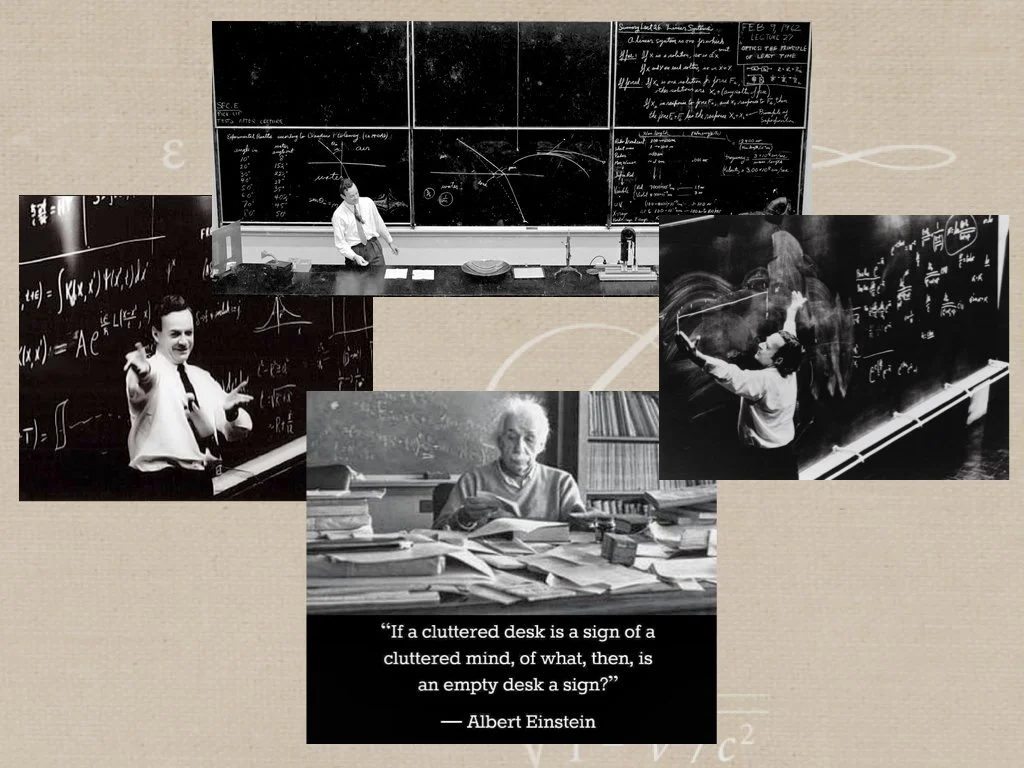
I was captivated by equations because they described nature’s invisible forces, painting pictures with universal symbols and numbers. They reveal the hidden architecture of the world—patterns of movement, balance, energy, and light that quietly shape everything around us.
Painting, I later discovered, became another language for exploring those same invisible forces.
While the tools had changed, the questions had not. I was still searching for the patterns that connect things—the balance between structure and freedom, science and intuition, the visible and unseen. That understanding continues to shape the way I see and create today.
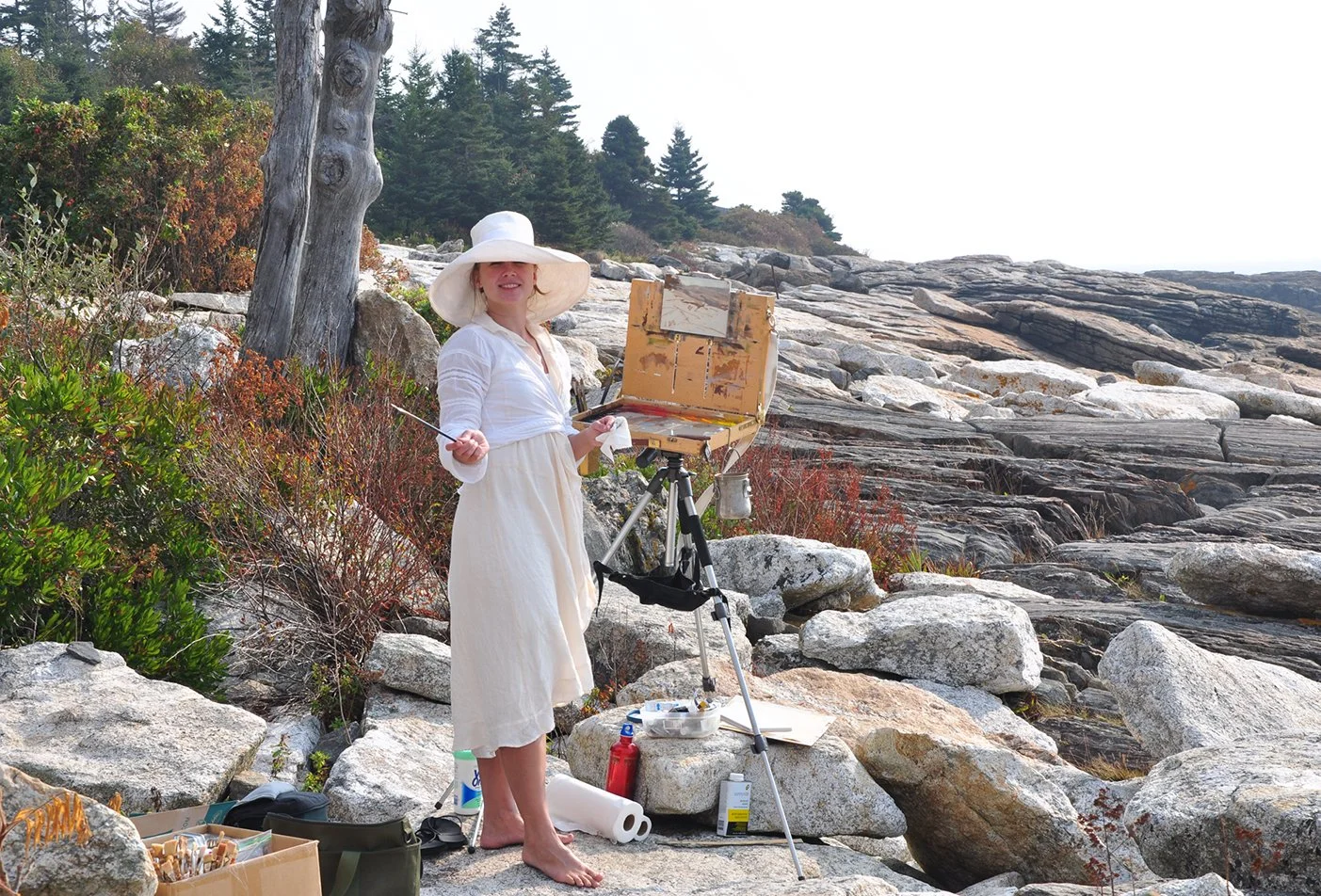
there is always more to learn . . .
THE ETERNAL STUDENT
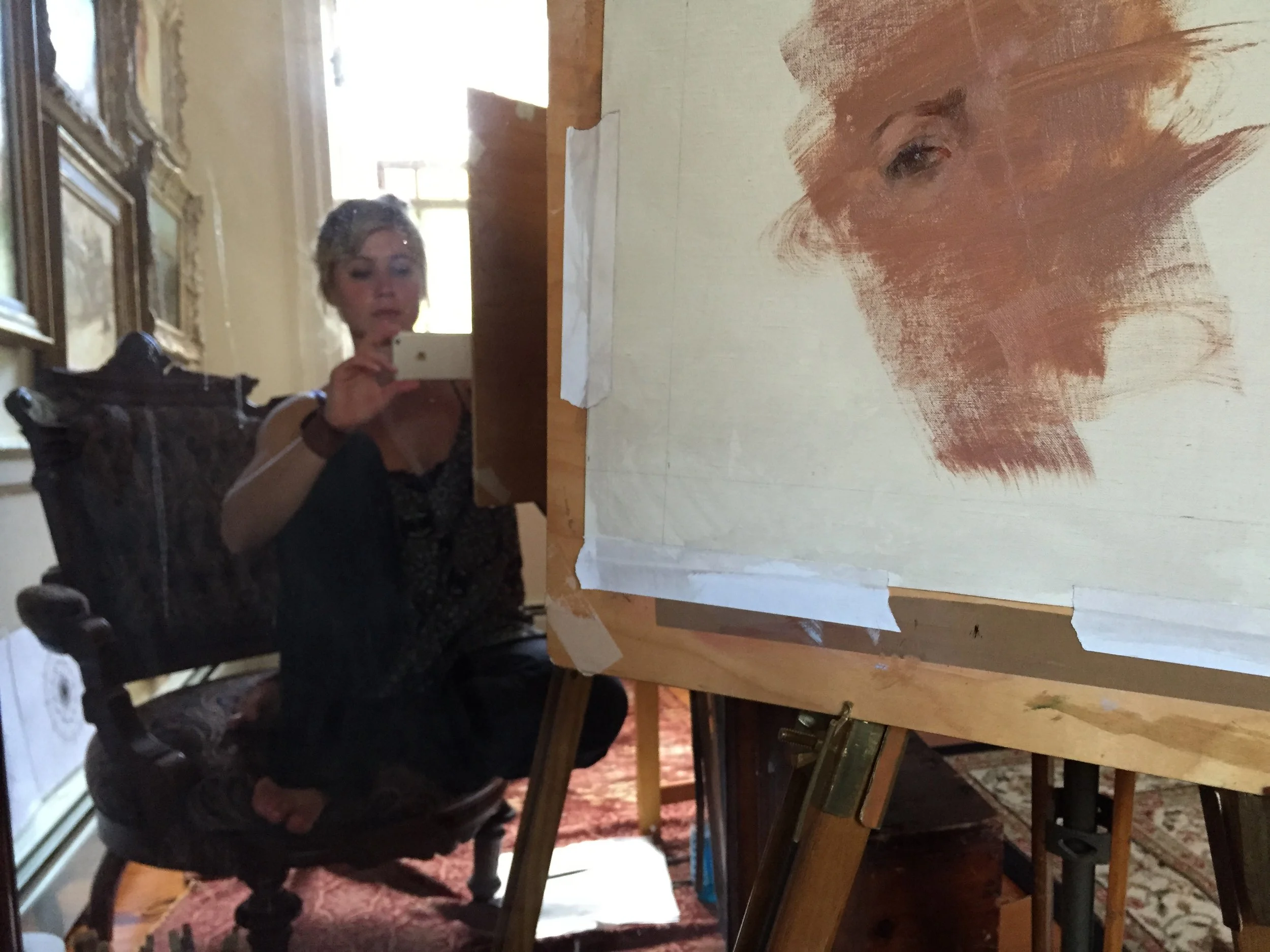
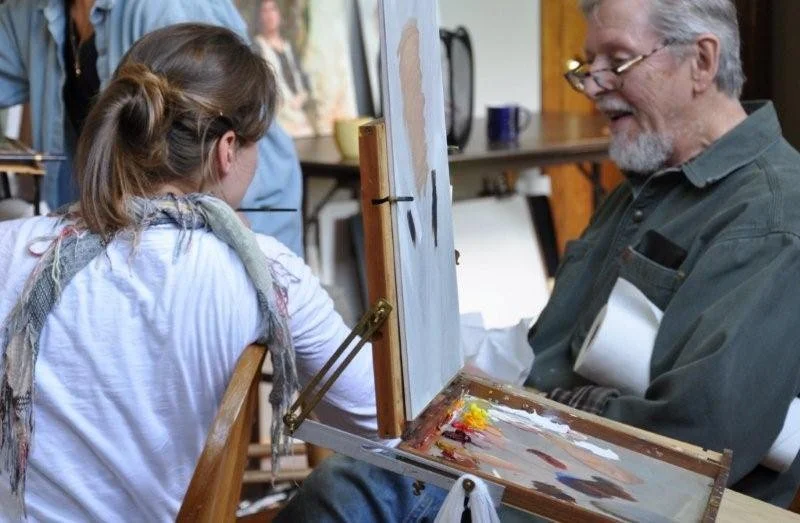
Once I understood that painting could ask the same questions engineering had, I wanted to learn everything I could.
For more than fifteen years I sought out artists whose work carried a depth I admired—not simply beautiful paintings, but a lifetime of understanding behind every brushstroke.
Among the greatest influences on my journey was Richard Schmid.
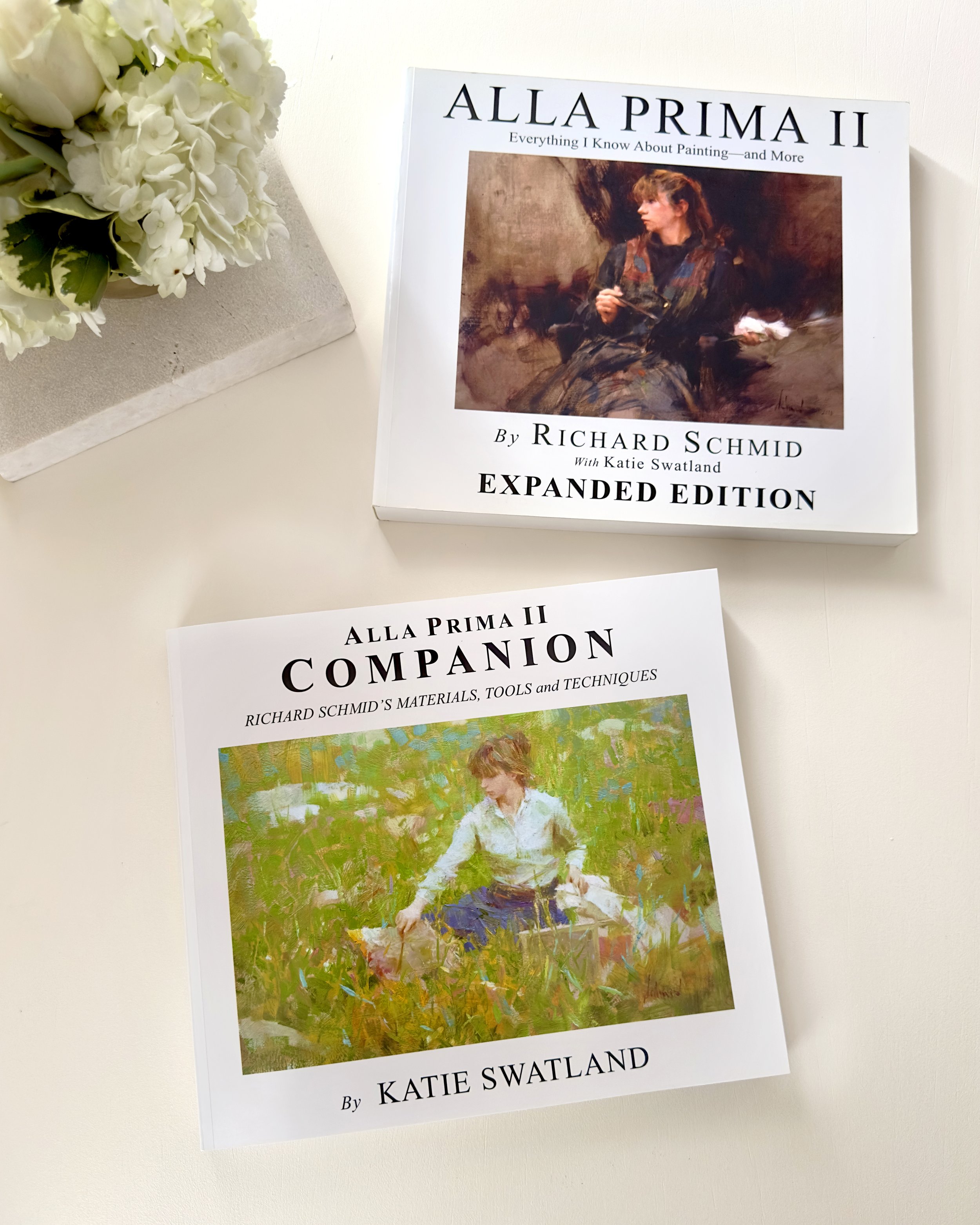
Working alongside Richard, I helped in the expansion process of Alla Prima – Everything I Know About Painting and later authored Alla Prima II: Companion, exploring subjects that fascinated me just as much as painting itself—from the chemistry of traditional grounds to the alchemy of light.
Those years taught me something unexpected.
Mastery isn't a destination.
It is a way of remaining endlessly curious.
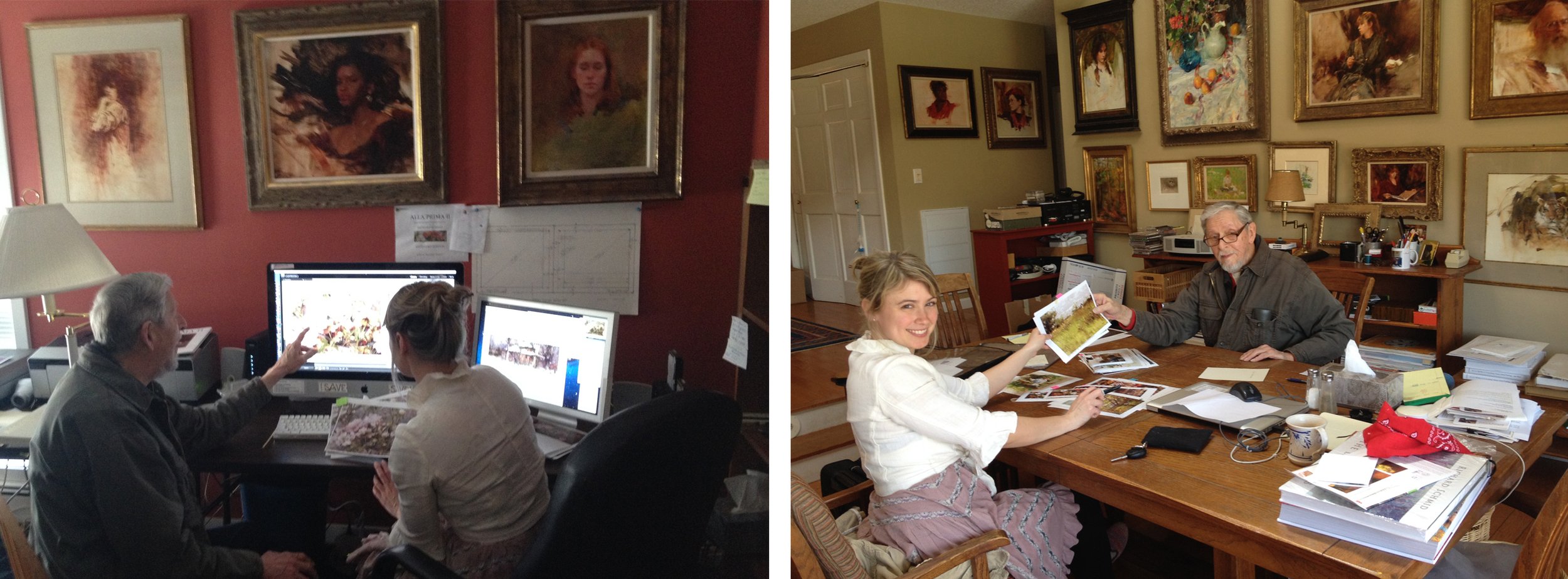
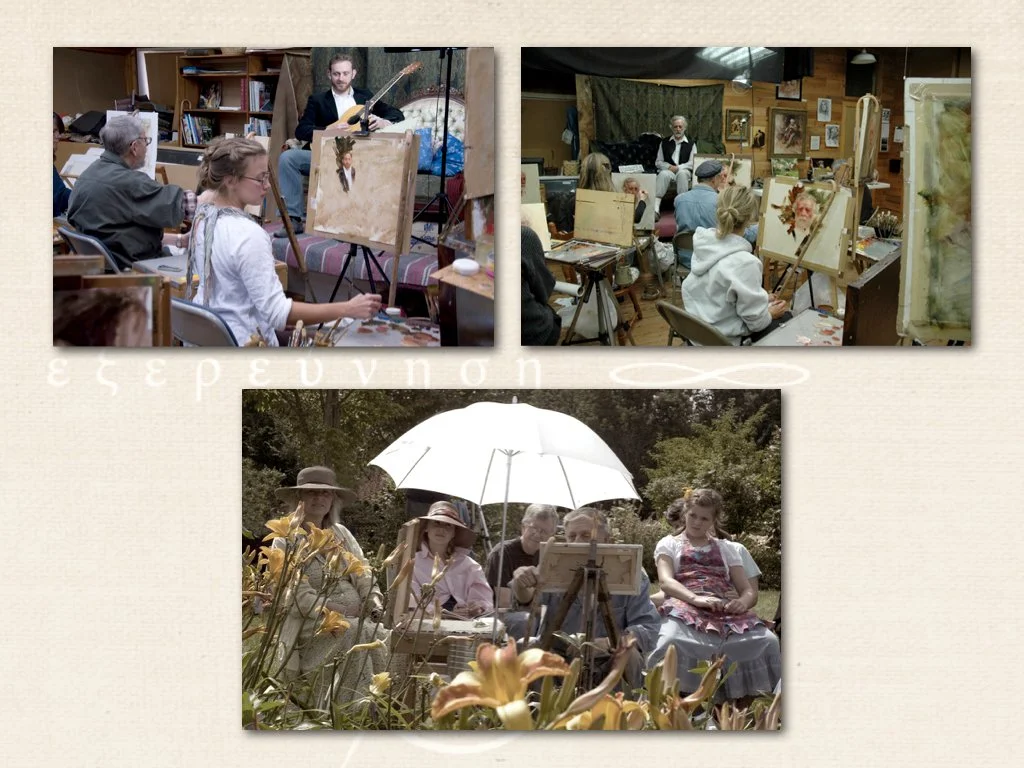
Looking back, I realize the greatest gift wasn't simply learning how to paint. It was being welcomed into the company of artists whose generosity, integrity, and devotion to the craft became a lifelong example.
Working alongside Richard shaped far more than my paintings. Those years influenced the way I think, the way I teach, the way I continue to learn, and ultimately, the kind of artist—and person—I hoped to become. They reminded me that knowledge is meant to be shared, that craftsmanship is an act of generosity, and that the pursuit of beauty is a lifelong conversation.
For Richard's friendship, mentorship, and example, I will always be profoundly grateful.
WITH GRATITUDE
FOREVER CURIOUS
before the brush
I don’t remember deciding to become curious. I simply don’t remember a time when I wasn't.
Before there were equations . . . before there were brushes . . . there was simply wonder.
Whether I was turning over stones at low tide, asking impossible questions, or pretending to be a Jedi along the shore, I wanted to understand how the world worked.
Looking back, I don’t think that curiosity ever disappeared. It simply kept finding new way to express itself.
Today I still feel, in many ways, like that same young explorer . . .
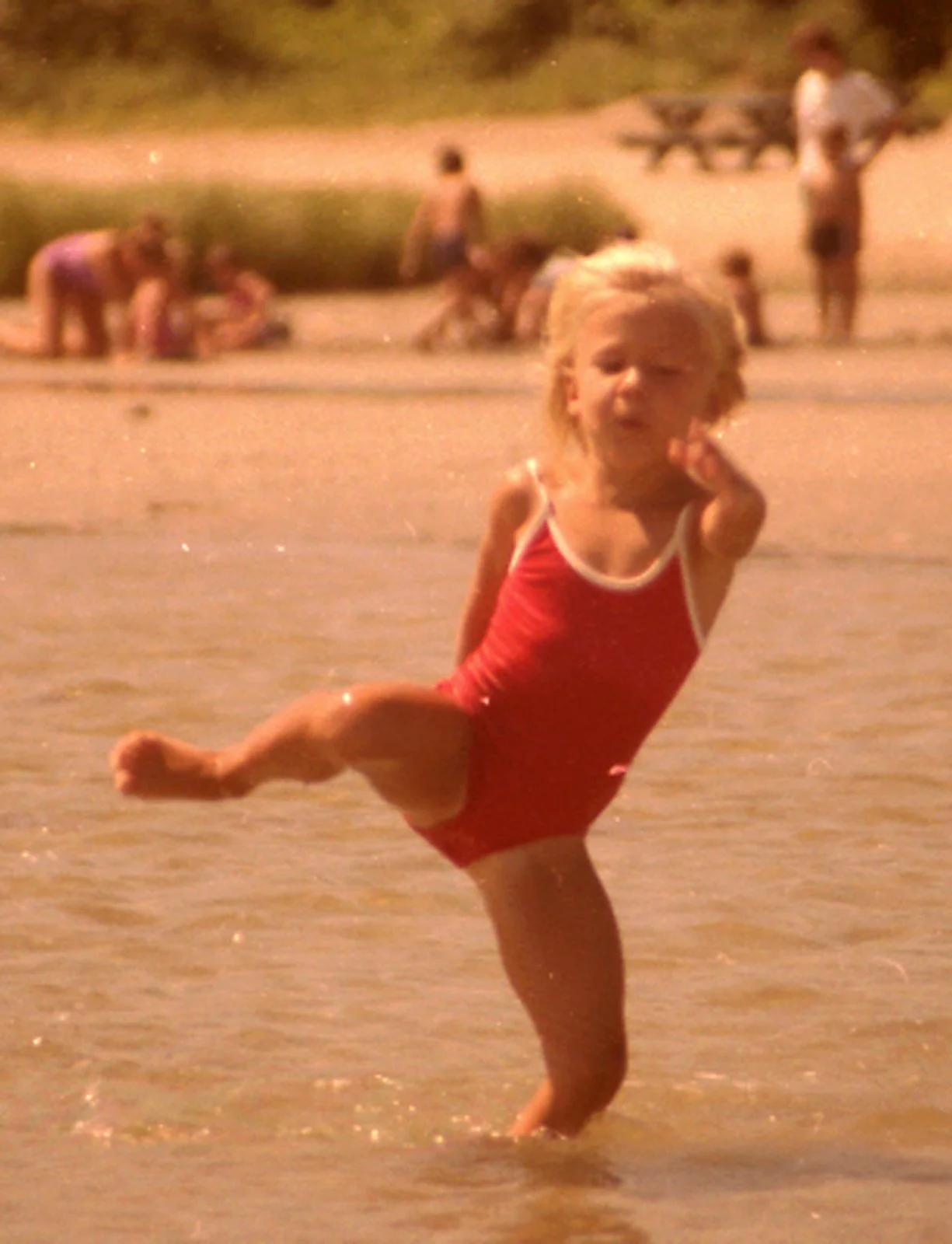
Still wondering . . . still listening . . . still that same young Padawan in training . . .
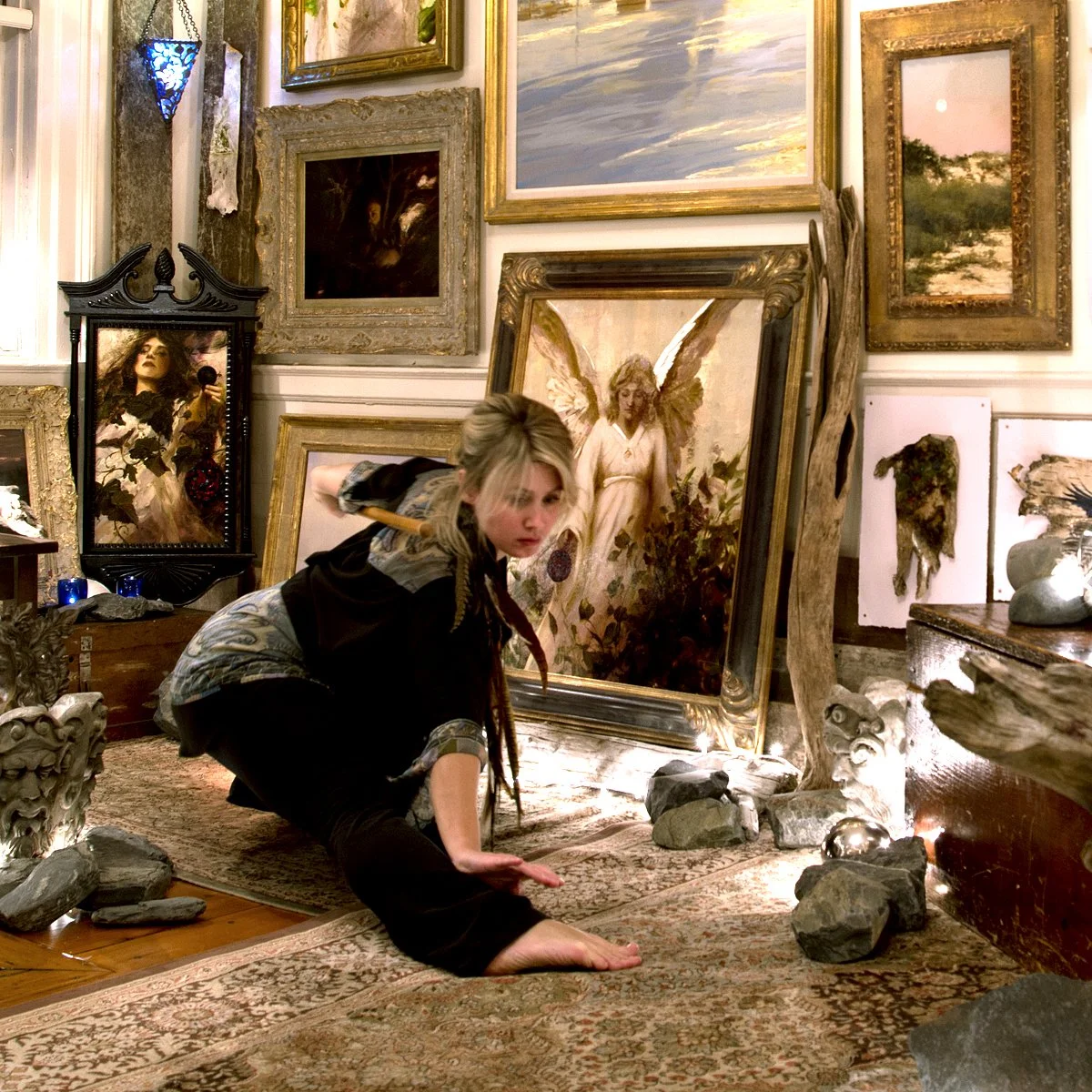
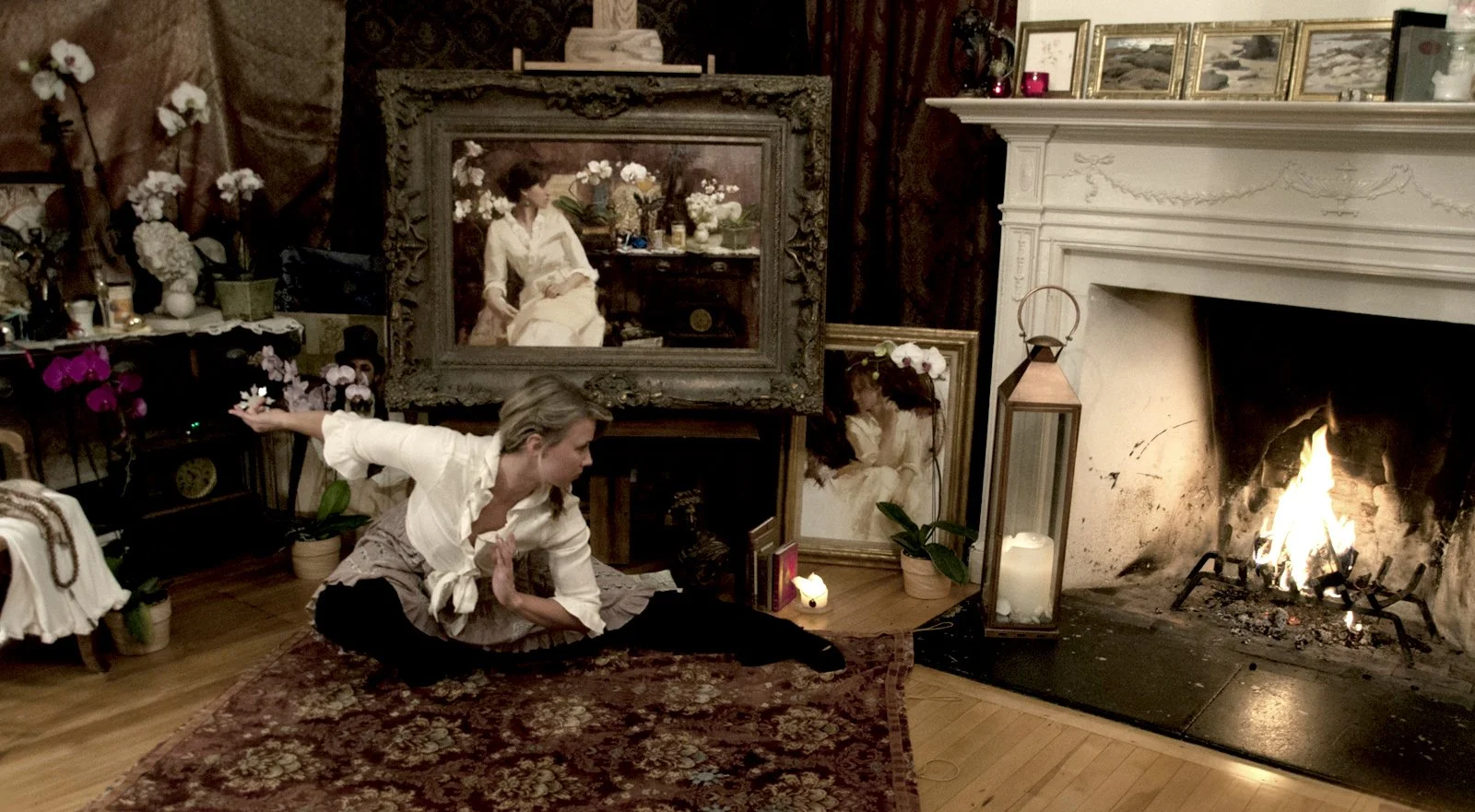
wonder needs discipline
THE PRACTICE
Wonder is beautiful.
But without discipline, it rarely becomes mastery.
As my curiosity grew, I found myself drawn to practices that demanded complete attention—not only painting, but movement, kung fu, gymnastics, breakdancing, and breath.
Each taught me something different about awareness, each became another way of learning to see.
I became fascinated by practices that trained the body as carefully as painting trained the eye. I learned that the body has its own way of understanding . . .
Patiently . . . One repetition at a time . . .One breath at a time.
A FAMILY OF MAKERS
DETAILS MATTER
Long before I understood painting as a profession, I understood what it meant to make something with care.
My father was a master craftsman. He built custom frames by hand, and nothing left his workshop without his complete attention. Every joint, every finish, every tiny detail mattered—not because anyone else might notice, but because hewould know. He taught me that craftsmanship is an expression of integrity. The unseen details deserve the same care as the visible ones.
Watching him, I learned that excellence isn't something we perform for others. It is a quiet promise we make to ourselves.
Today, that lesson still guides my work.
The backs of my paintings are finished with the same care as the fronts. The surfaces hidden inside a frame receive the same attention as those placed on display. The handwritten notes, the archival materials, the way a painting is wrapped and presented—none of these things are afterthoughts to me. They are all part of the work.
Paying attention to the smallest details is, in many ways, an act of reverence.
It is a way of honoring the materials.
Honoring the craft.
And ultimately, honoring the person who will one day live with the painting.
My mother painted.
She taught me something equally important—that color could hold memory, that light could tell a story, and that beauty was something worth paying attention to.
Our home was filled with books, paintings, tools, sketches, lumber, pigments, and conversations about making. Looking back, I realize I inherited far more than artistic interests.
I inherited patience.
I inherited craftsmanship.
I inherited the belief that ordinary materials—wood, linen, paint, and paper—can become something lasting when shaped with care and intention.
Making wasn't simply what my family did.
It was the language we spoke.
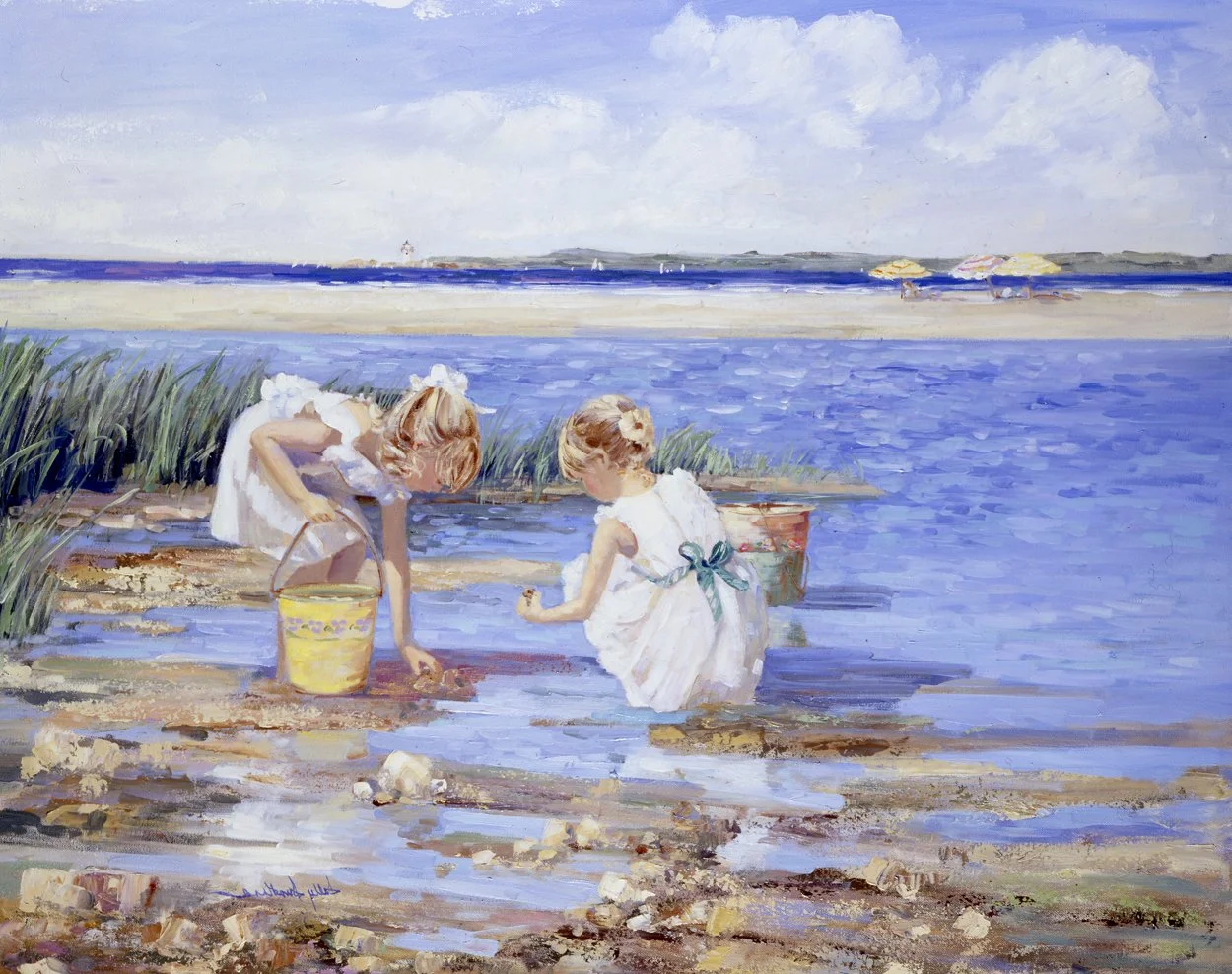
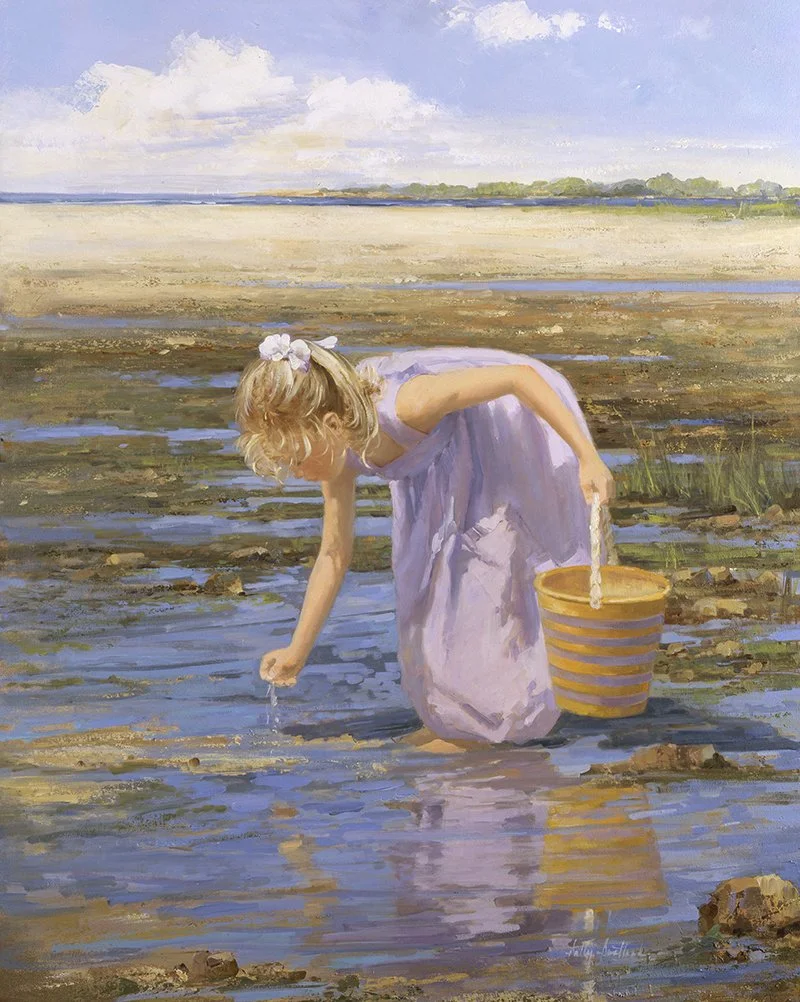
Still wondering . . . still listening . . . still that same young Padawan in training . . .
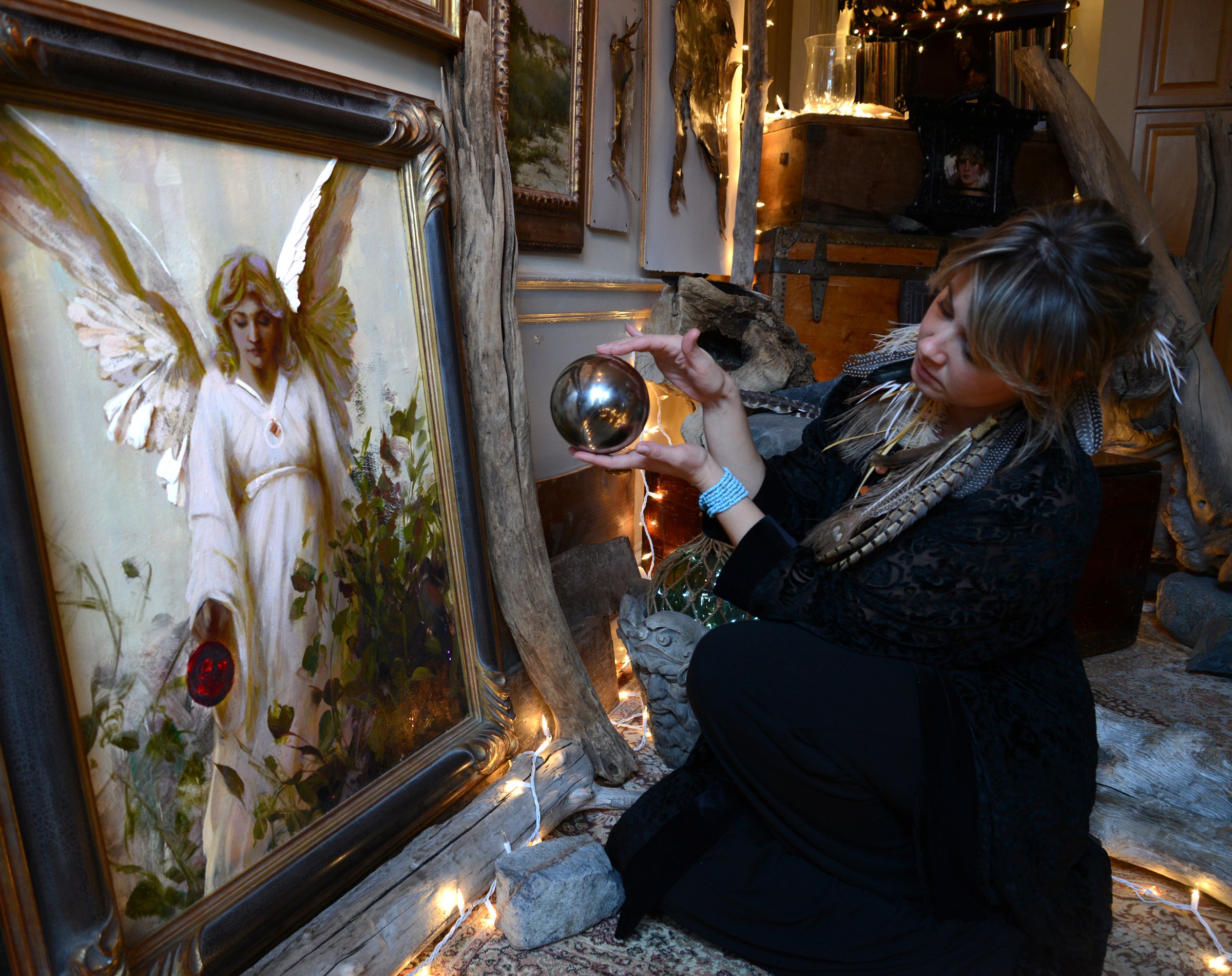
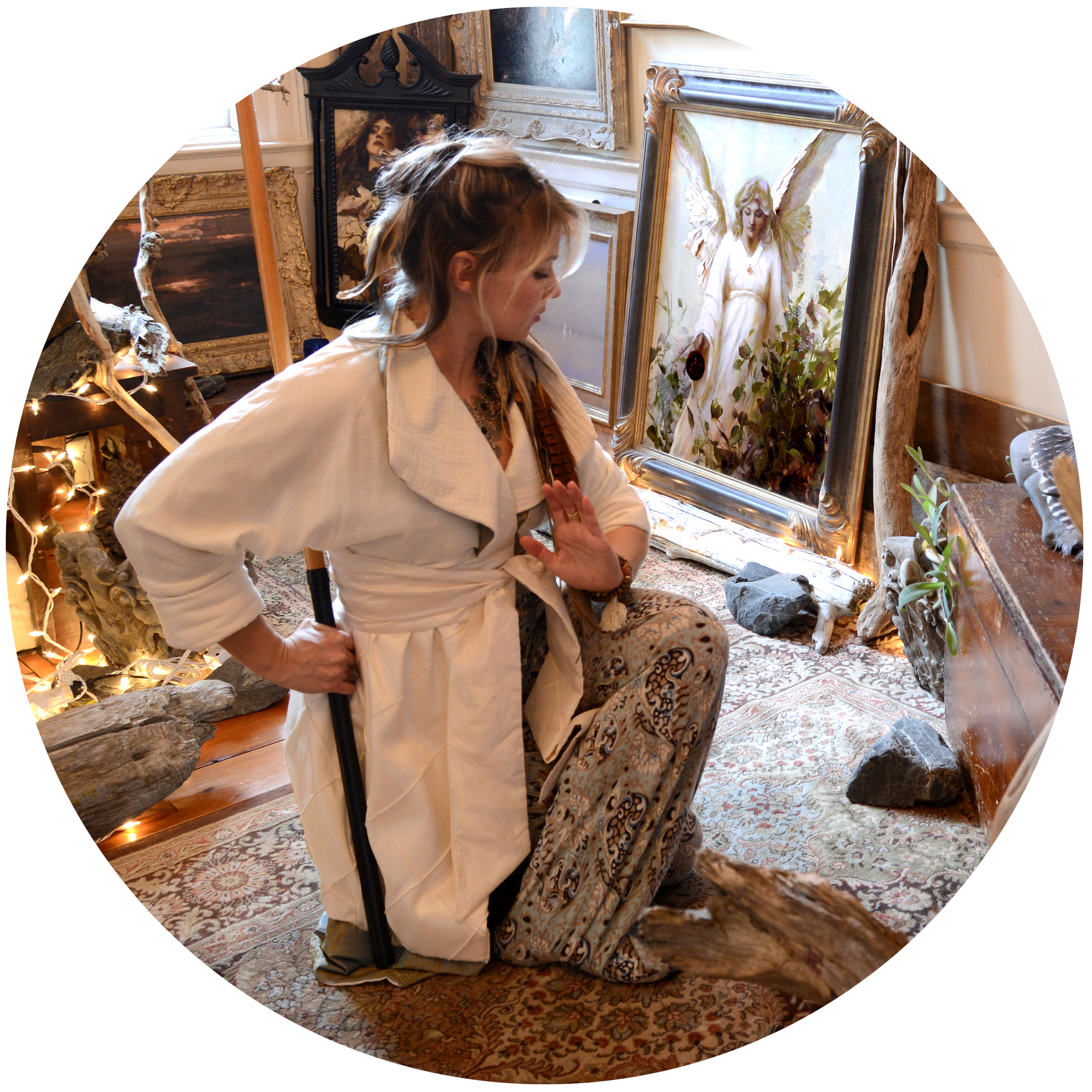
OBSERVE.
LISTEN.
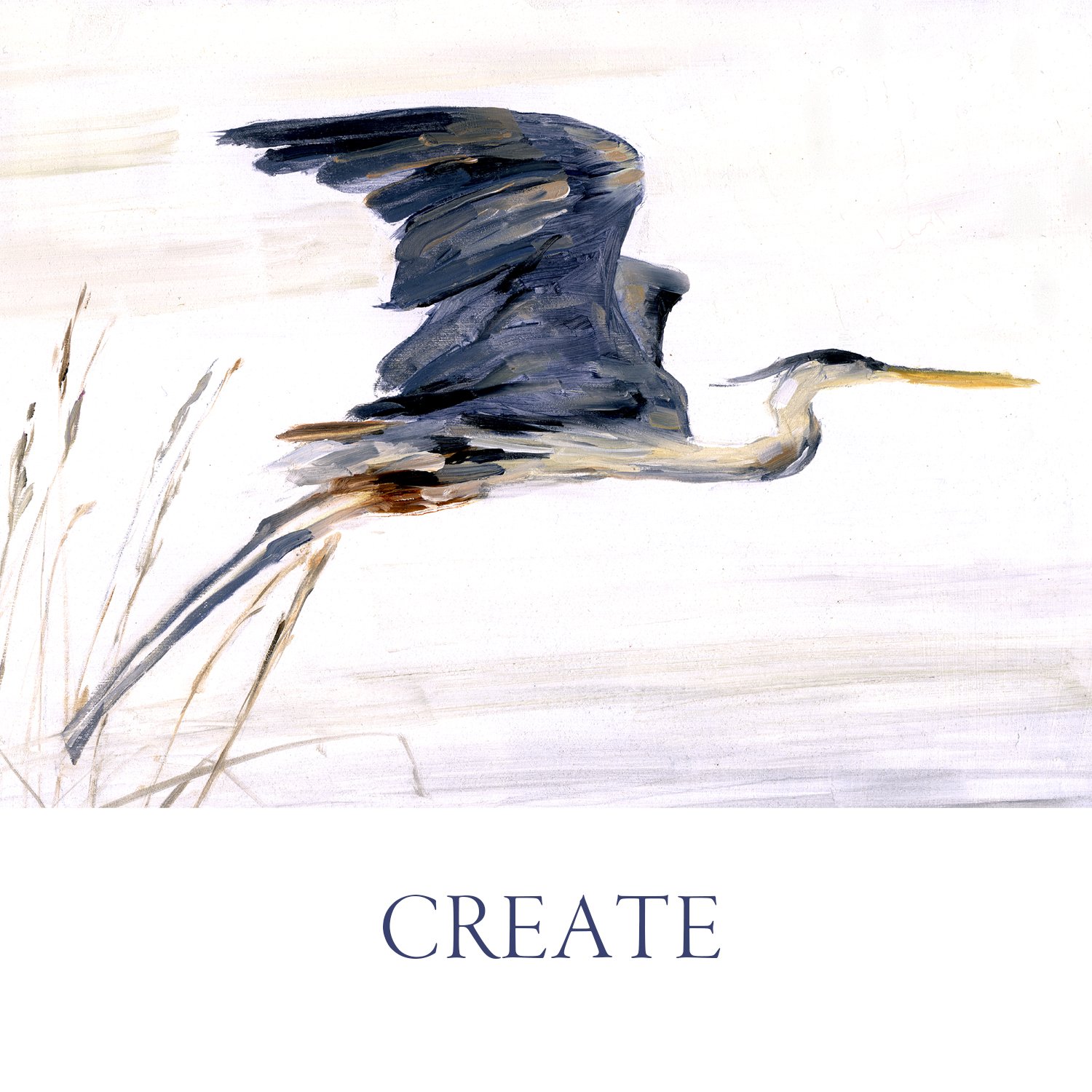
CREATE.
“Every work of art is built one brushstroke at a time, and one breath at a time. To honor the creative spirit is to be mindful and gracious toward the journey of the process.” – Swatland
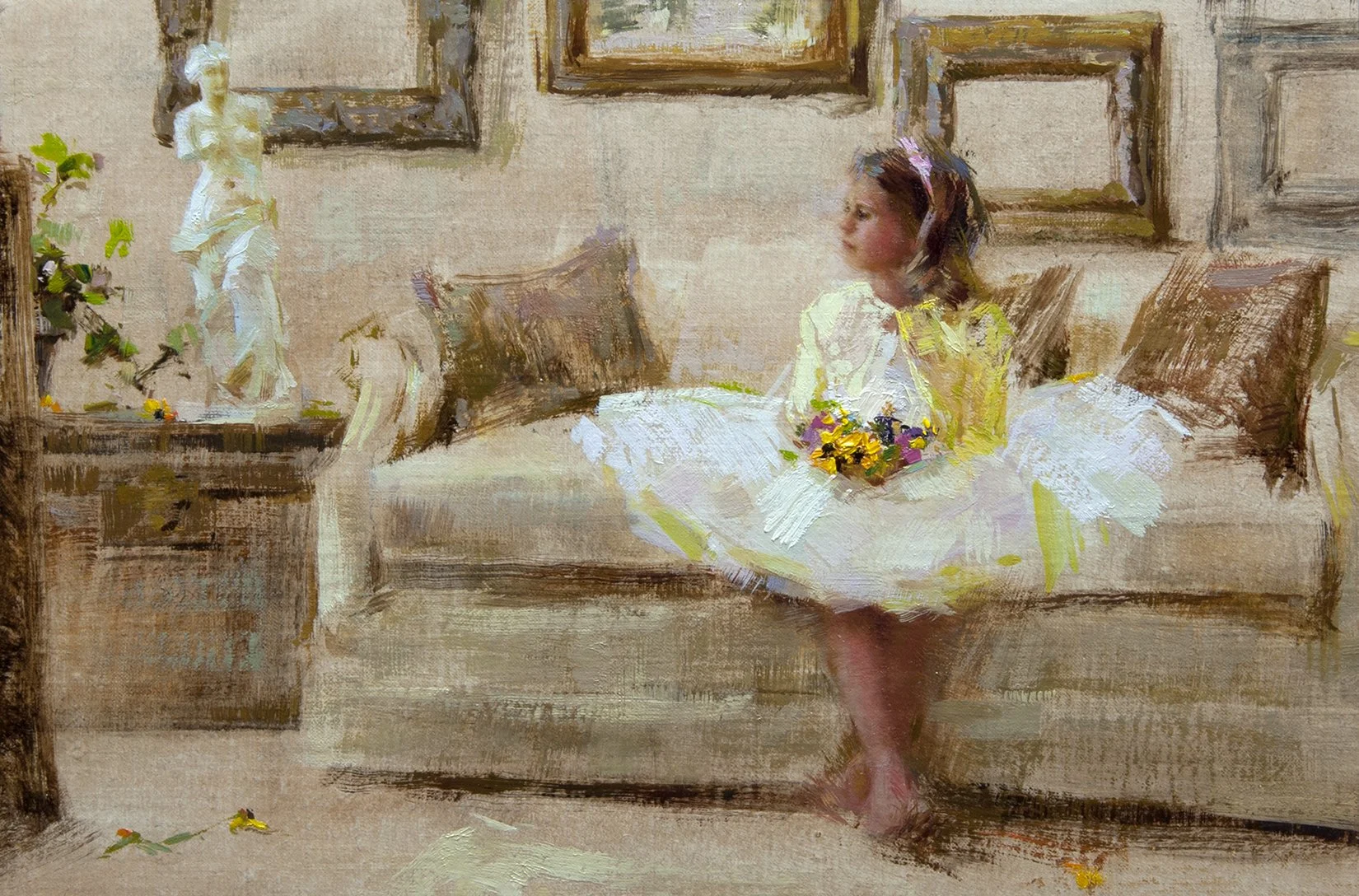

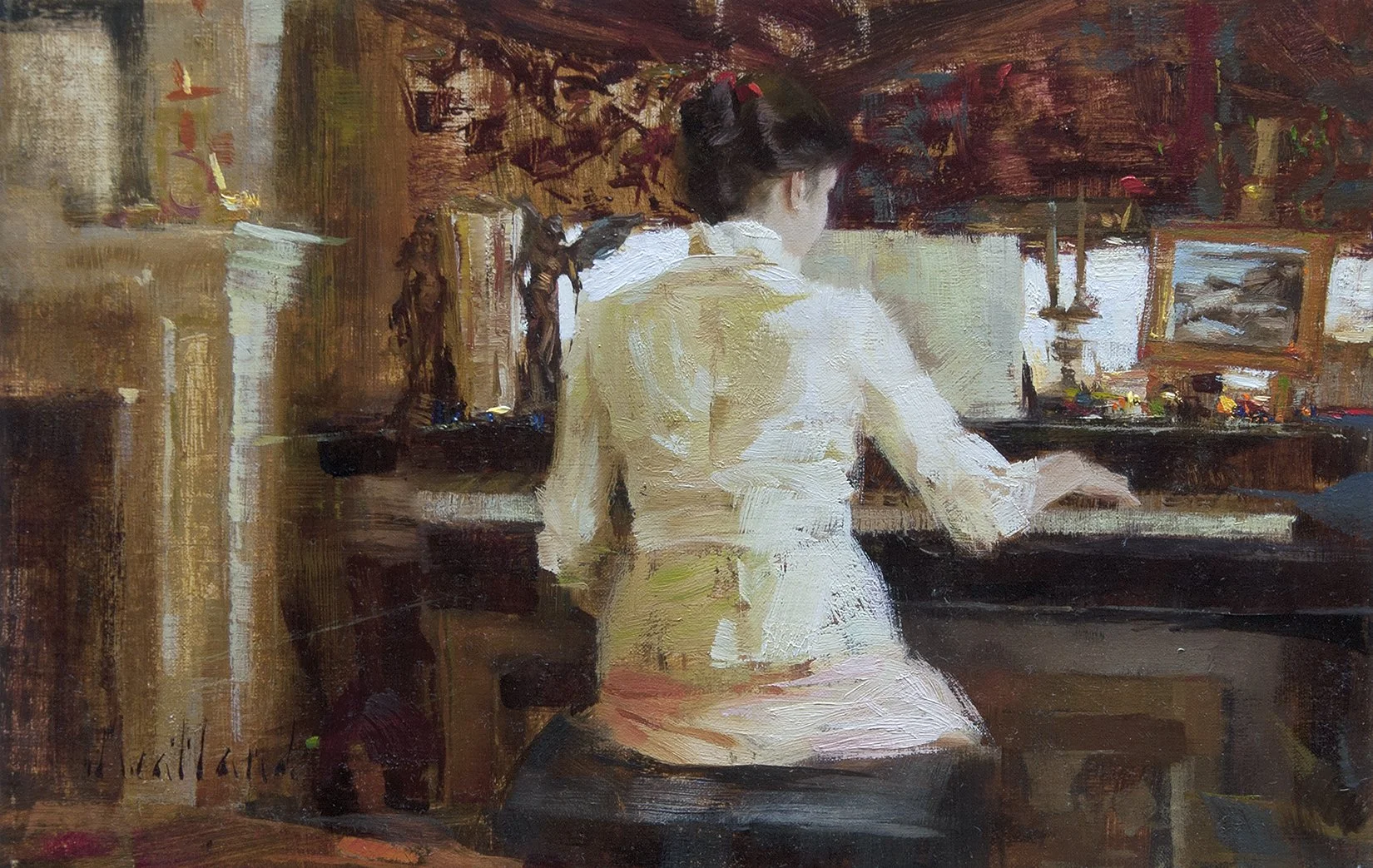
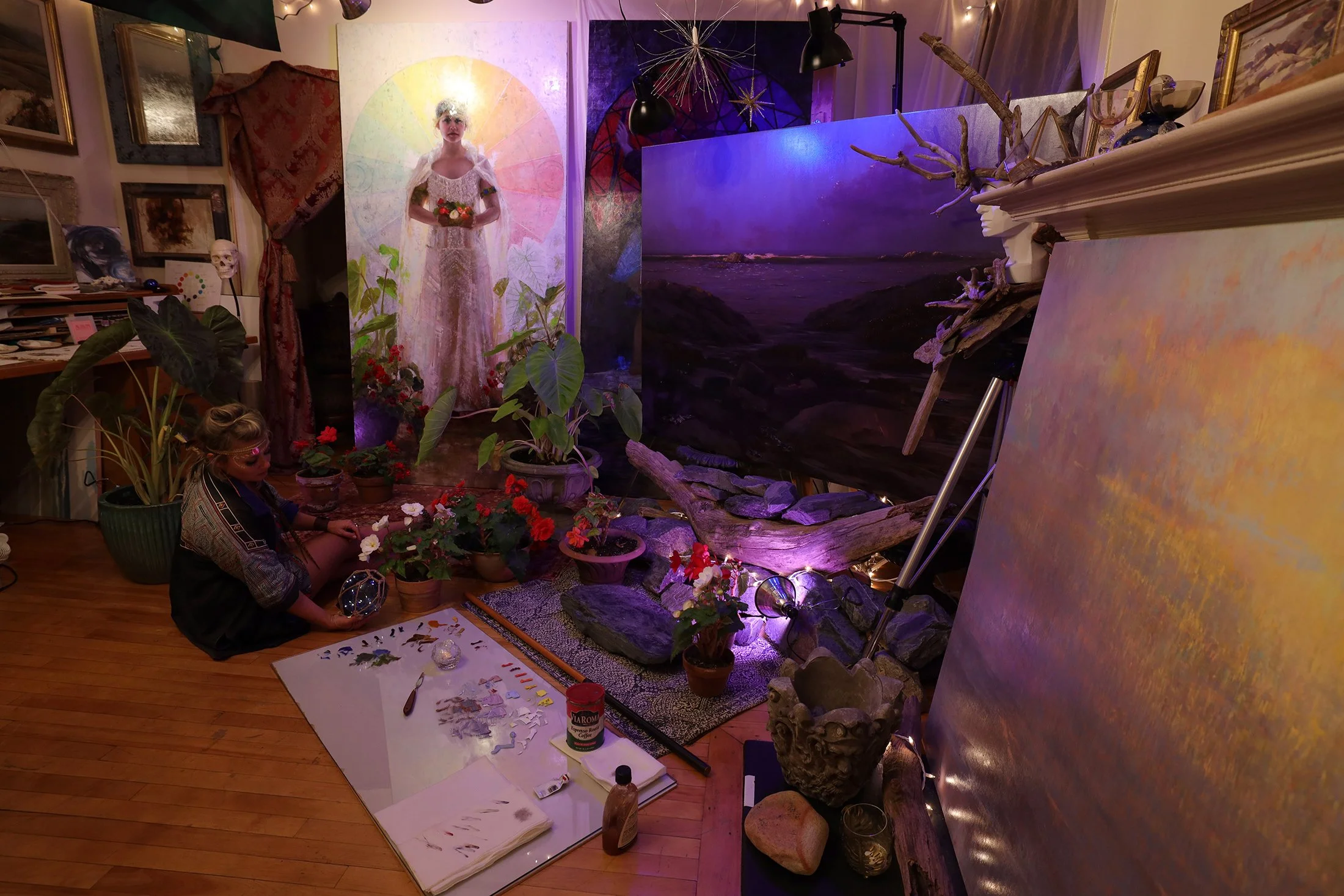

Fine Art ❖ Books ❖ Lessons
Journals ❖ Sketchbooks ❖ coloring books ❖ greeting cards
Treasures for the home & Studio
Exciting things are happening at Swatland Studio! We’re thrilled to share that the Blue Heron Field Notes Journal & Sketchbook and its companion Field Course have taken flight! Ordering is now open Order here.
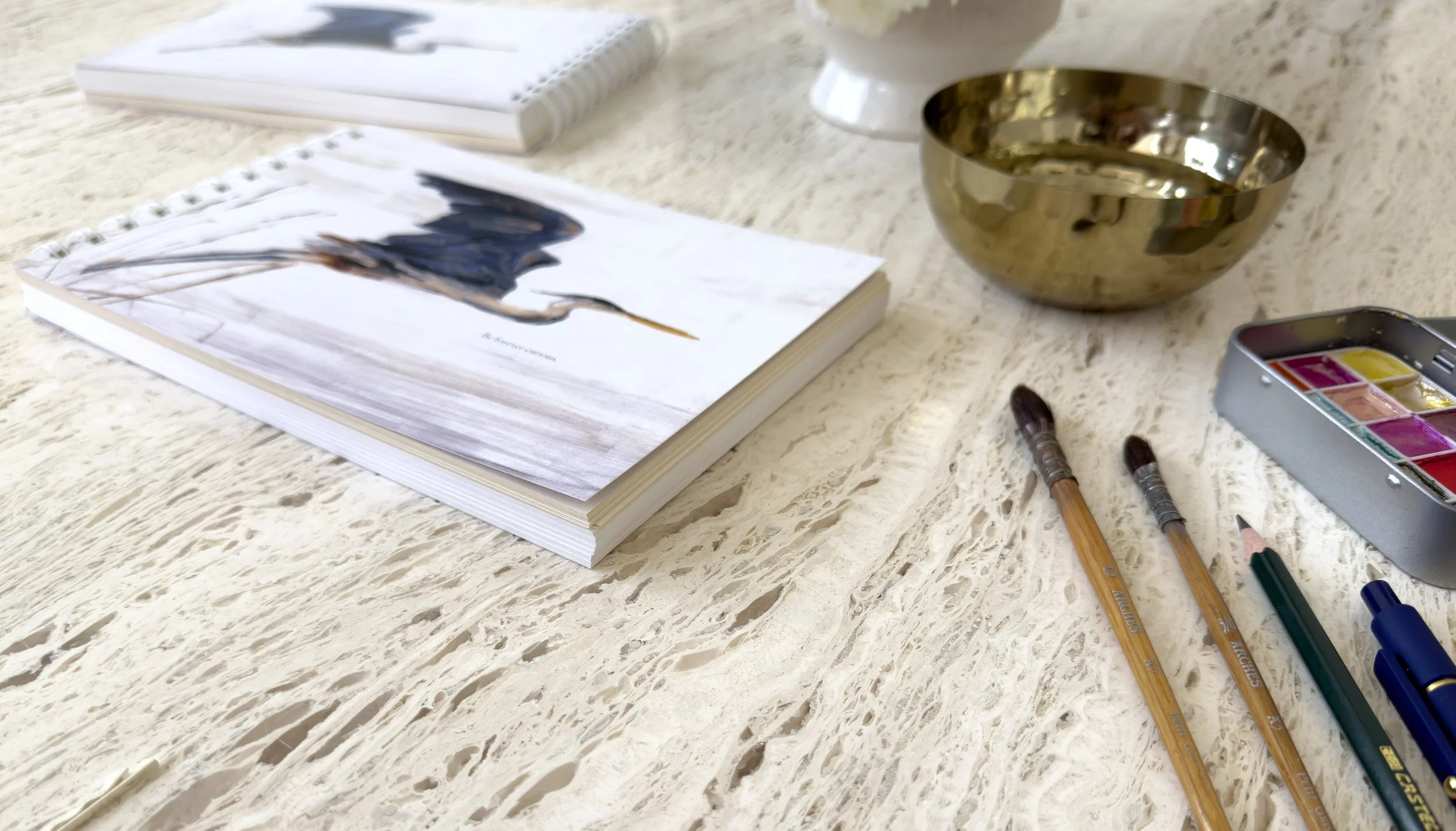
Heron Field Notes Journal & Sketchbook
with Accompanying Course
An exquisite dual-page journal to hold your dreams, inspirations, sketches, and reflections— paired with a self-guided course to gently lead you into deeper presence, observation, and creative expression.
Connect with nature & refine your observation skills. Observe. Listen. Create.
Sketchbooks, Journals & Coloring Books
-
Exquisite field note and sketchbook for all your adventures in Nature. Contains two types of paper for a variety of note taking, sketching and painting possibilities. Includes 64 pages of warm-white silk paper, perfect for a variety of pencil sketches and writing, and 48 pages of slightly textured heavy paper, ideal for watercolor and ink painting. The perfect companion to take out with you as you study and capture Nature’s light. ORDER HERE
-
Where do you capture your inspiration? Here are 60 blank pages of fine paper that awaits your sketches and notes. An exquisite surface for writing, journaling, composing, dreaming and drawing with a variety of mixed media including graphite, pastels, ink, acrylic and watercolor. ORDER HERE
-
Capture all your thoughts and ideas with this blank paper journal of 80gsm smooth paper. Perfect 8.3”x 5.5” size to carry with you on your next creative adventure. Cover is adorned with an inspiring watercolor print of an ancient tree. Comes with an inspirational quote and prompt sheet to deepen your connection to Nature. COMING SOON
-
Watercolor coloring books for all ages. Artful books to inspire creativity. Makes the perfect elegant gift. Sits beautifully on a coffee table. COMING SOON
-
Fun exercises and prompts to work on individually or to share with family and friends. Suitable for all ages. COMING SOON
Books, Online Lessons & Activity Sheets
-
Dive into learning about oil painting and the creative process. VIEW BOOKS
-
‘Educational Delights and Explorations in Art and the Creative Process’. In this educational series, Katie Swatland offers discoveries, lessons and delights in painting and the artistic process. New lessons added regularly. COMING SOON
-
Printable inspirational quotes, reminders and prompts to pin to your easel as you create. COMING SOON
-
Learn color, form, drawing and edges in fun, easy to follow activity sheets. A great option for the beginner artist looking to strengthen their understanding of the fundamentals in a relaxed way. Suitable for all ages. COMING SOON

Painting, Drawing & Creativity Supplies
-
A carefully curated watercolor kit to create with daily. Designed to be a companion to the Coloring Books. Beautiful enough to display. COMING SOON
-
A carefully curated drawing and writing kit to create and capture all your ideas. Includes a beautiful artisanal pencil, sharper, and fine-line pen. A perfect companion to the Blue Heron Field Notes Journal & Sketchbook. Beautiful enough to display. COMING SOON
-
Prepare your creative environment with an assortment of intention setting accoutrement. COMING SOON
-
Selections of inspiring quotes to keep the inspiration flowing. Keep these cards on your desk, your easel, or carry them with you in your sketchbooks. COMING SOON
“the object isn’t to create art, it is to be in that wonderful state which makes art inevitable“ — The Art Spirit

ONLY THE FINEST MATERIALS
ARCHIVAL PRACTICES

ATTENTION TO EVERY DETAil
PRECISION CRAFTSMANSHIP
Swatland
[noun]
1 where Curiosity and Imagination dance along the water’s edge
2 a part of the shore of an ocean